
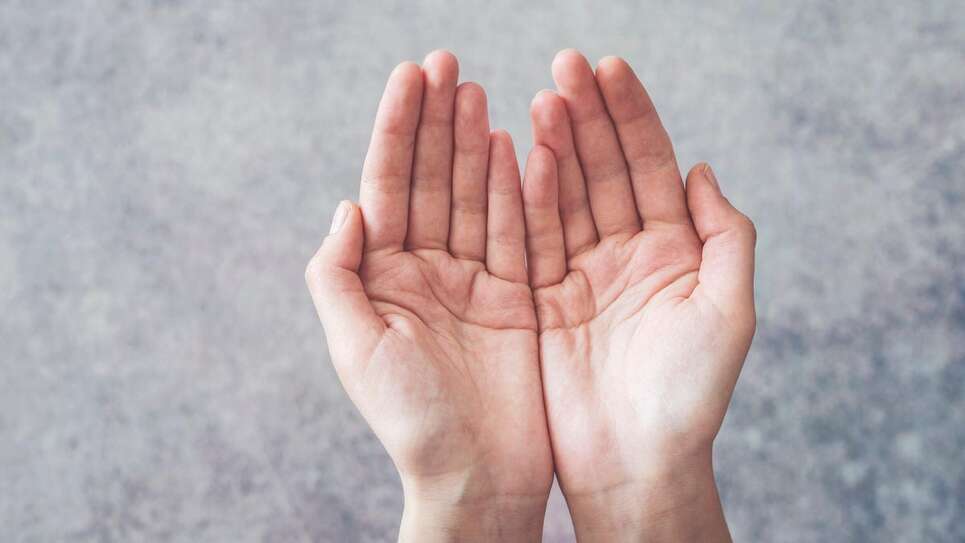
A man from UK has received the world's first double hand transplant
Steven Gallagher, 48, is believed to be a man from UK that has received the world's first ever double hand transplant to help with his scleroderma.
A man in the United Kingdom appears to be the first to receive a double-hand transplant for his scleroderma condition. The patient and his new limbs are said to be doing well five months after the surgery.
According to the BBC, Steven Gallagher, 48, first noticed symptoms of scleroderma, a rare autoimmune disease that gradually tightens and scars the skin and other parts of the body, more than a decade ago.
By his forties, the condition had caused his hands to permanently curl shut, causing excruciating pain. Gallagher agreed to the rarely performed surgery after consulting with doctors. In addition, in December 2021, he underwent a 12-hour procedure involving 30 medical professionals.
The first known human hand transplant occurred more than two decades ago, and approximately 100 transplants have been documented in the medical literature since then. However, this appears to be the first study done specifically for people with scleroderma. Gallagher is pleased with the results thus far.
"I woke up after the operation, and it was quite surreal," he told the BBC. "These hands are incredible; everything happened so quickly." I was able to move them as soon as I awoke from the operation."
Gallagher's donor hands have regained enough functionality after five months to allow him to turn on a faucet, grasp and fill a cup with water, and pet his dog. Perhaps most importantly, his hand pain has ceased.
However, the available data indicates that people are generally better off as a result. Donor hands are rarely rejected to the point of needing to be removed with proper therapy.
Recipients usually regain enough function in their hands to perform most daily activities, and the procedure is generally well-received, even decades later. Immunosuppressant use and cost reductions may make this type of procedure more feasible in the future.
Gallagher, for one, hopes that he will soon be able to find work and enjoy other activities again.
"It's given me a fresh start," he said. "I'm still having difficulty right now, but things are getting better with the physio and therapists every week."
search tags
double hand transplant
face and double hand transplant
face and hands transplant
face and hand transplant before and after

No comments:
Post a Comment