
These Cells Repair Human Heart
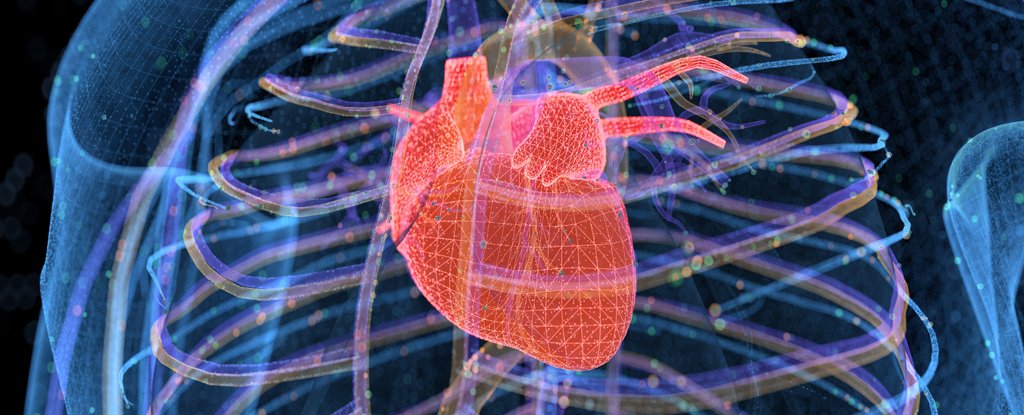
When it comes to self-repair, our bodies are pretty clever, and scientists have been studying the ways these cells repair human heart in which the heart repairs itself after a heart attack in great detail (myocardial infarction). They hope to find clues that will lead to better cardiovascular treatments by knowing these cells repair human heart.
According to new research, the immune response of the body and the lymphatic system (part of the immune system) are critical in how the heart repairs itself after a heart attack has caused damage to the heart muscle.
The discovery of the role played by macrophages, specialist cells that can destroy bacteria or initiate beneficial inflammation responses, was critical to the study. These macrophages produce as the first responders to a heart attack scene According to the researchers, VEGFC is a type of protein.
"We discovered that macrophages, or immune cells that rush to the heart after a heart attack to 'eat' damaged or dead tissue, also induce vascular endothelial growth factor C (VEGFC), which stimulates the formation of new lymphatic vessels and promotes healing," says pathologist Edward Thorp of Northwestern University in Illinois.
The researchers describe it as a Jekyll and Hyde scenario, with 'good' macrophages producing VEGFC and 'bad' macrophages not producing VEGFC but causing a pro-inflammatory response that can harm the heart and surrounding tissue even more.
To fully repair the heart, dying cells must be cleared away, a process known as efferocytosis in which macrophages play an important role.
The team discovered how the right type of VEGFC-producing macrophages did a proper repair job by studying this process in lab cells and mice.
Future research could look into how to increase the number of helpful macrophages in the heart while decreasing – or even eliminating – the number of damaging macrophages, increasing the chances of a healthy recovery.
"Our challenge now is to either administer VEGFC or coax these macrophages to induce more VEGFC in order to accelerate the heart repair process," Thorp says.
People who have a heart attack are at a high risk of developing heart failure, in which the heart is unable to continue pumping blood around the body that risk can be reduced with modern medications such as beta-blockers, but it remains.
While scientists continue to advance our understanding of how cardiovascular disease develops and how we can better detect the risk of heart problems earlier, heart failure continues to kill hundreds of thousands of people in the United States each year.
More research like this one will shed more light on the biological processes that occur in response to a heart attack, particularly how the process of efferocytosis is used to activate the VEGFC protein, which is required for heart muscle repair.
"We're trying to learn more about how heart failure develops after a heart attack so that we can intervene early and change the course of the disease."
search tags
human heart
repair
cells repair
cellular repair
adult repair stem cells

No comments:
Post a Comment